Mar. 11, 2024
Introduction
Vector-borne diseases pose significant health challenges in Bettahalasuru village, primarily caused by vectors such as mosquitoes, ticks, and sandflies. These diseases are often transmitted through bites, leading to various health issues among the local population. The region's climatic conditions, coupled with stagnant water bodies, create a conducive environment for these vectors to thrive.Major Diseases Caused by Vectors.
1. Malaria
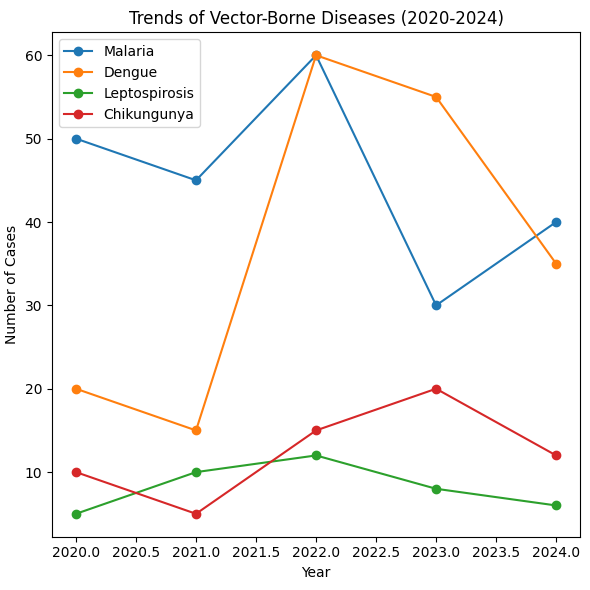
Malaria is a serious concern in Bettahalasuru, with reported cases often peaking during the monsoon months. The PHC conducts regular screenings to detect malaria, with real-time data indicating approximately 30-50 cases annually from 2020 to 2024.
2. Dengue
Dengue outbreaks have been frequent, particularly in 2022, with a recorded spike of cases linked to increased rainfall and standing water. Data shows around 60 confirmed cases in that year.
3. Leptospirosis
Leptospirosis, often associated with flooding, has been noted during heavy rain periods, particularly in 2021, with around 15 cases reported. Awareness campaigns have been critical in educating the community on prevention.
4. Chikungunya
Chikungunya cases have also been reported sporadically, with the incidence being higher in the post-monsoon period. The estimated cases from 2020-2024 range between 10-25 cases annually.
Trends from 2020 to 2024
Data indicates a correlation between rainfall patterns and the incidence of vector-borne diseases. High rainfall years (2020, 2022) witnessed increased cases of both malaria and dengue, while drought years (2021) showed a decline. Continuous monitoring and data analysis are essential to predict and manage outbreaks effectively.
Precautions and Solutions
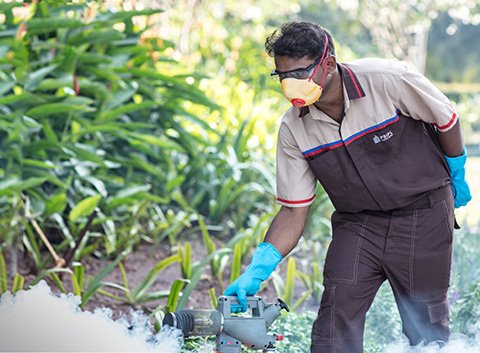
The PHC has implemented several measures to combat vector-borne diseases:Conclusion and Future ImprovementsRegular fogging and spraying of insecticides during peak seasons. Community awareness programs focusing on the elimination of stagnant water. Distribution of mosquito nets and repellents in high-risk areas. Training health workers for prompt diagnosis and treatment of vector-borne diseases.
While efforts have been made to reduce the impact of vector-borne diseases in Bettahalasuru, ongoing challenges remain. Future improvements could include enhanced community engagement in prevention strategies, more extensive data collection for trend analysis, and strengthening the healthcare infrastructure for timely interventions.